What Determines the Cost of CE Certification?
One of the most frequently asked questions by companies seeking CE certification is: “How much does a CE certificate cost?” However, the cost of the CE certification process is not fixed. It varies depending on the technical characteristics of the product, applicable legislation, and required conformity assessment procedures.
A properly planned CE certification process helps prevent unnecessary costs, while a poorly managed process can lead to time and budget losses. In this article, we examine the key factors affecting CE certification costs and how to manage the process more efficiently.
What Is a CE Certificate?
The CE certificate is an official conformity mark indicating that a product complies with European Union legislation. The CE marking affixed to a product demonstrates that it meets requirements related to health, safety, and environmental protection.
Within the CE certification process, the manufacturer:
- Identifies the applicable legislation
- Performs necessary technical evaluations
- Prepares the technical file
- Issues the EU Declaration of Conformity
Once these steps are completed, the CE marking can be affixed to the product.
Factors Affecting the Cost of CE Certification
The cost of CE certification depends on several technical and regulatory factors. The most important include:
1. Product Type and Technical Complexity
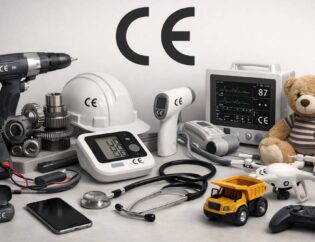
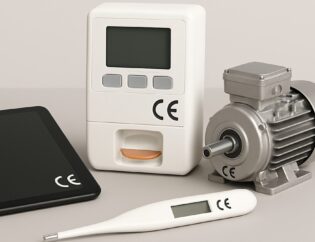
The type and technical structure of a product play a major role in determining certification costs.
- A simple electrical product
- An industrial machine
- A medical device
Each requires a different level of assessment and compliance process.
As complexity increases:
- The number of required tests increases
- The evaluation process becomes longer
- Costs rise accordingly
2. Applicable European Union Legislation
Each product may fall under different EU directives or regulations, such as:
- Machinery Regulation
- Low Voltage Directive (LVD)
- Electromagnetic Compatibility (EMC) Directive
- Construction Products Regulation (CPR)
- Medical Devices Regulations
Some regulations involve more extensive requirements, directly impacting total costs.
3. Testing and Laboratory Requirements
Technical testing is mandatory for many products within the CE marking process. These tests may include:
- Electrical safety tests
- EMC tests
- Mechanical safety tests
- Performance tests
If testing must be conducted in accredited laboratories, it can represent a significant portion of the total cost.
4. Notified Body Requirement
For certain product categories, a Notified Body must be involved in the CE certification process. This typically applies to:
- High-risk products
- Medical devices
- Specific construction products
The involvement of a Notified Body expands the scope of the process and can increase overall costs.
5. Preparation of the Technical File
The technical file is a critical component of CE certification and directly affects costs. It generally includes:
- Product description
- Design and manufacturing details
- Risk analysis
- Test reports
- Applied standards
- User instructions
A complete and properly prepared technical file helps accelerate the process and prevents additional expenses.
Why Proper Planning Is Important
Poor planning in the CE certification process can lead to unnecessary cost increases. Common issues include:
- Conducting unnecessary tests
- Selecting incorrect legislation
- Repeating technical work
These mistakes extend timelines and inflate budgets. Therefore, many companies choose professional CE consultancy services to ensure efficient and accurate process management.
The CE Certification Process with Sertifike
At Sertifike, we support manufacturers in managing their CE certification processes accurately, quickly, and cost-effectively.
Our services include:
- Product regulatory analysis
- Determination of the appropriate conformity assessment module
- Management of testing processes
- Preparation of the technical file
- Guidance on CE marking usage
Our goal is to manage the CE certification process based on the principle of minimum cost and maximum efficiency.
Conclusion
The cost of CE certification varies depending on product type, technical complexity, applicable legislation, testing requirements, and conformity assessment procedures.
Proper planning and expert support are essential to control costs and complete the process efficiently.
A well-managed CE certification process provides companies with:
- Regulatory compliance
- Cost advantages
- Credibility in international markets
At Sertifike, we continue to support manufacturers in managing their CE marking processes with confidence and reliability.